What Lives and Flowers in the Pinnacles Desert?
Emus, western grey kangaroos, skinks and more than 90 bird species in Nambung National Park, when they come out, and when the heath flowers (August to October).
Emus and western grey kangaroos are the animals you are most likely to see in Nambung National Park, though most of its animals are nocturnal and none are guaranteed. Reptiles are common too, particularly bobtail skinks and snakes, and more than 90 bird species have been recorded there (Parks and Wildlife Service). The heath around the pillars flowers from August to October.
When the animals come out
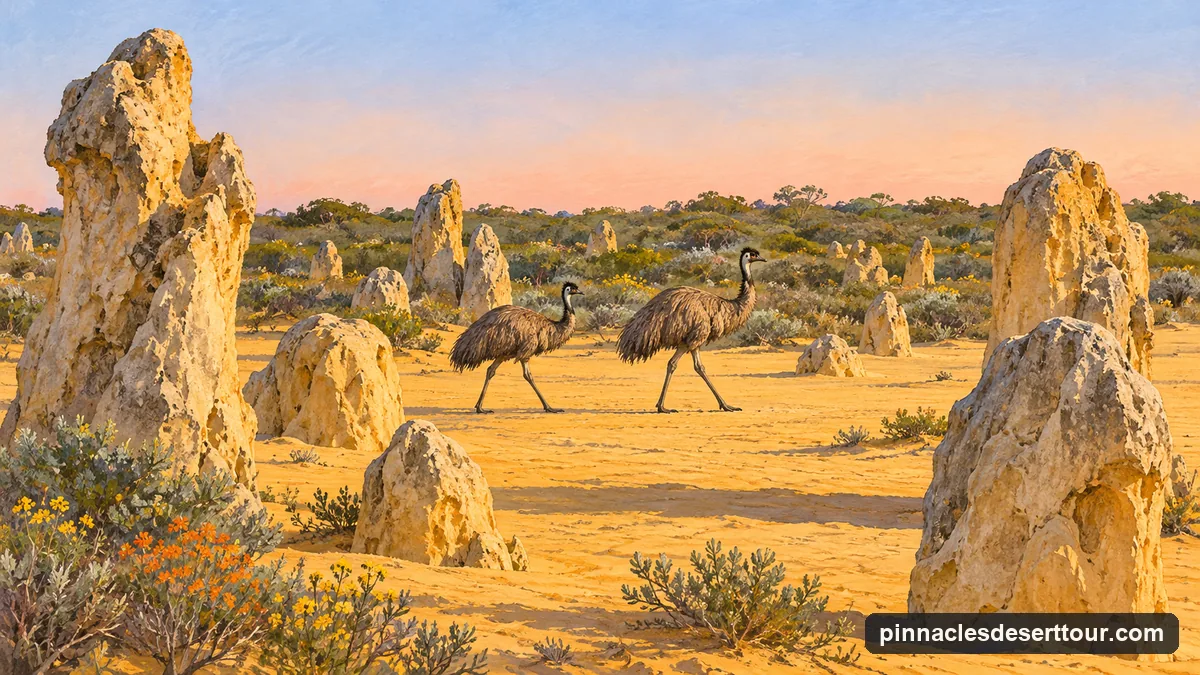
Timing matters more than luck. The Parks and Wildlife Service’s visitor guide notes that on summer days the wildlife rests through the heat and only appears in the cooler hours of early morning and evening. By day you may see emus or western grey kangaroos.
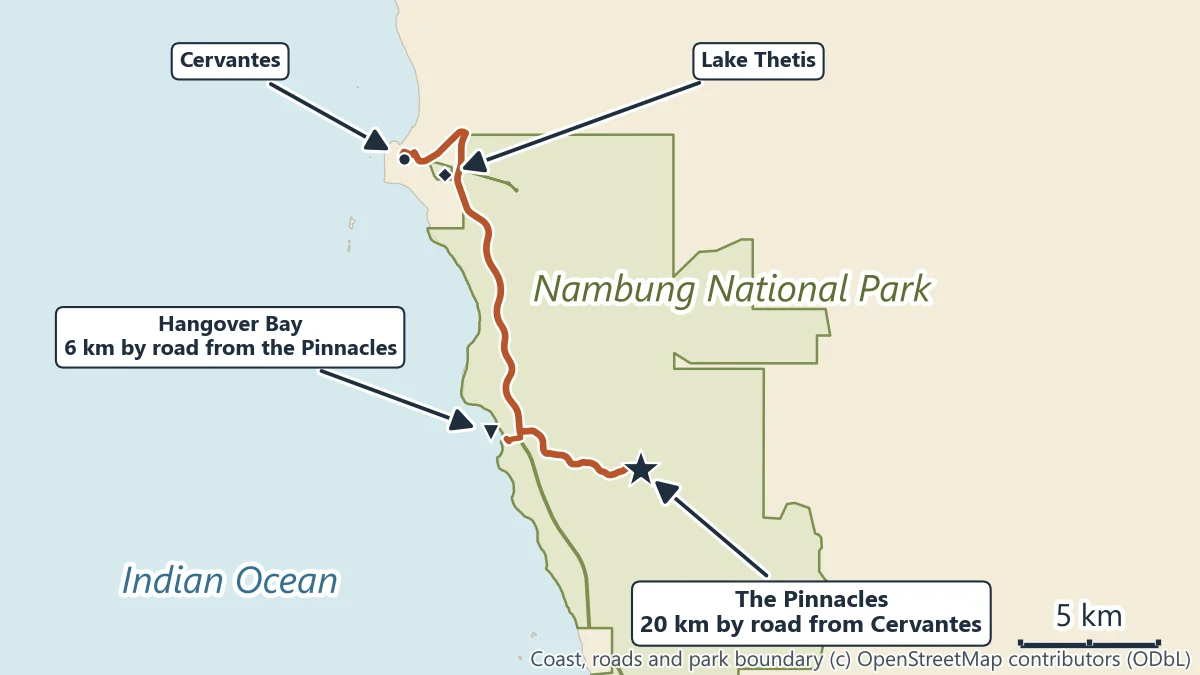
Kangaroo Point, a beach and picnic spot about 10 km from Cervantes, lives up to its name: western grey kangaroos are often seen feeding in the vegetation around it.
On the tours, the evening ones are in the park at the better hours. Lumineer Adventure Tours, which reaches the Pinnacles Desert before nightfall, names emus and kangaroos among its highlights, and its guests have written about them: two kangaroos in August 2026, a kangaroo in September 2026, a kangaroo with her joey in November 2025. They are wild, so some evenings bring none.
Birds and reptiles
More than 90 species of birds have been recorded in the park, among them singing honeyeaters and the southern emu wren. Bobtail skinks and snakes are the reptiles you are most likely to meet. Stay on the roads and marked tracks: the Parks and Wildlife Service keeps the other tracks for management, partly because they cross areas of Phytophthora dieback, which a vehicle driving through can spread.
The park page also carries a bird flu (H5) notice: sick or dead wildlife can be reported on 1800 675 888.
Wildflowers
Most of the park is low heath of acacia and myrtle, with banksias and casuarinas, and the orange-flowered Banksia prionotes is common. The Parks and Wildlife Service gives August to October as the months the heath bursts into flower; its visitor guide adds that the spring bloom starts from September, when the days are still mild, and calls that the best time of year to explore the park.
Some tours go out of their way for the flowers. Autopia Tours' sunset evening adds a seasonal stop at Nilgen Nature Reserve when it is in bloom, and otherwise stops at Hangover Bay on the coast.
Koalas and kangaroos on the way
The koalas on a Pinnacles day are not in the desert. Australian Pinnacle Tours' 4WD day starts at Caversham Wildlife Park, a wildlife park in the Swan Valley, where you meet koalas and wombats and can hand-feed kangaroos; several of its reviewers name it as their favourite part, and one in April 2026 felt sorry for the animals used for photographs. WA NT TOURS stops instead at Yanchep National Park, where you may spot koalas, kangaroos and native birds.
The guides talk about plants and animals along the way: Lumineer Adventure Tours' guests in August, September and October 2026 mention learning about the native plants, flora and fauna. Why it is called a desert explains the sands the plants grow on.
More from Perth
Pinnacles and Coast Tours with Open Dates
Desert tours, dune days and other trips north of Perth with live availability. Where each starts, what it includes and the cancellation terms are shown before you book.
The Desert at the Cool End of the Day
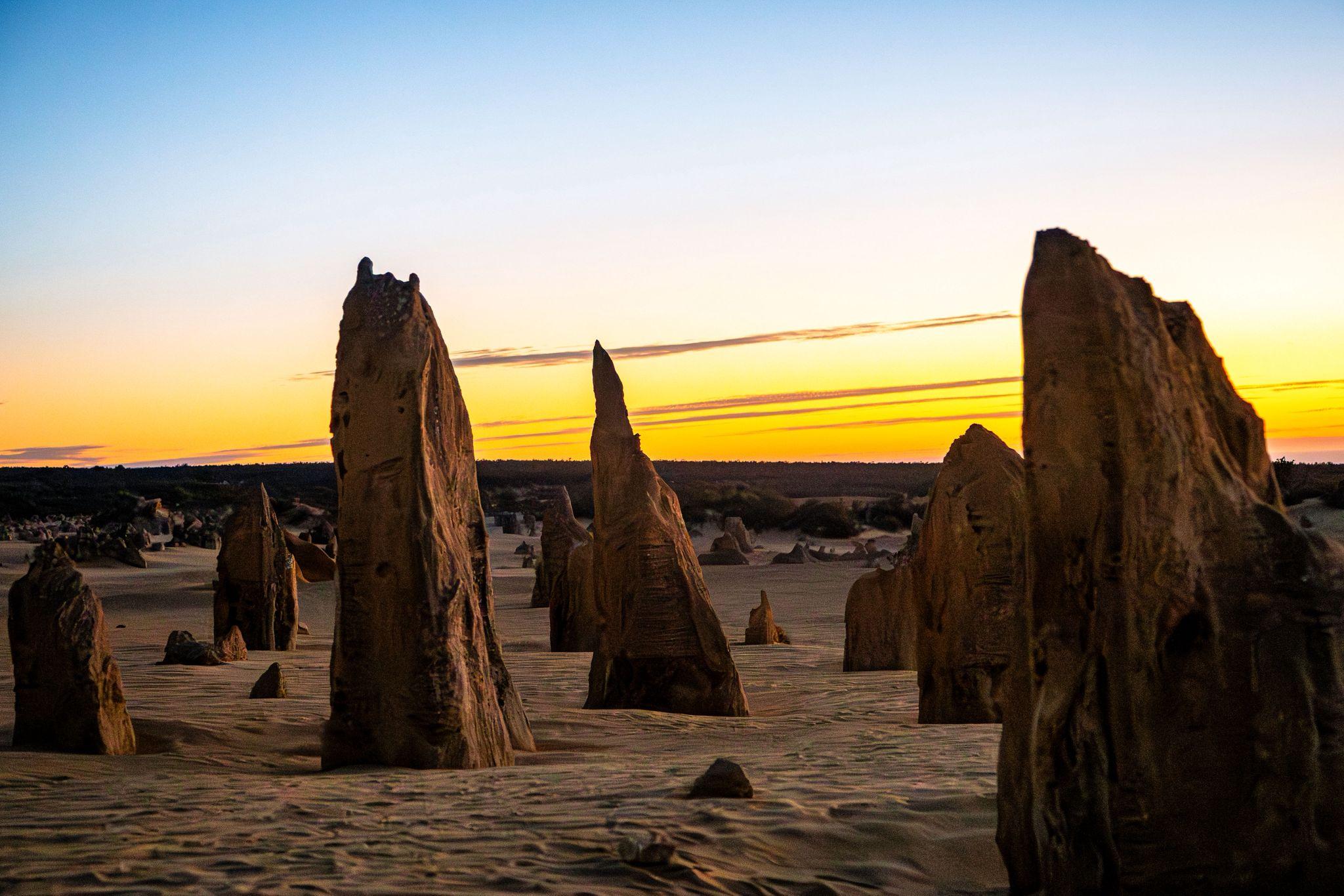
Lumineer Adventure Tours reaches the Pinnacles Desert before nightfall, after sandboarding at Lancelin, then serves a BBQ dinner at sunset and brings out the telescopes.
See dates